
Windows activation is a crucial process in ensuring that software installations are genuine and properly licensed. In contemporary IT landscapes, where vast networks and diverse devices must be managed, ensuring seamless activation can present significant challenges. Understanding the nuances of tools like windows activator and their role in modern IT environments is vital for maintaining compliance and functionality. These activators not only simplify the activation process but also contribute significantly to the larger framework of software management and protection.
The Role of Windows Activator in License Management
A windows activator serves as a tool to facilitate the activation of Windows operating systems across multiple machines. It is particularly useful in corporate settings where bulk licensing agreements mean that individual manual activations would be inefficient. By automating the process, these tools help maintain compliance with Microsoft’s licensing terms while saving time and resources. This automation is critical in large-scale deployments where manual intervention could lead to errors or inconsistencies in compliance.
Windows Activator and Software Validation
Software validation ensures that the software being used is legitimate and has not been tampered with. A windows activator assists this by verifying product keys with Microsoft’s servers, thus securing confirmation that the installation is genuine. This process helps protect organizations from legal ramifications associated with using pirated software, ensuring all copies of Windows are legally obtained. Moreover, it fortifies organizational security by preventing unauthorized software modifications that could compromise system integrity.
Managing Activation Across Diverse Deployments
Organizations often use different versions of Windows according to specific departmental needs, ranging from legacy systems to the latest deployments like Windows 11. Tools like windows activator are essential for managing these diverse environments by providing a centralized solution for activation across all versions. This capability allows IT administrators to manage a heterogeneous environment effectively without compromising on compliance or functionality.
Challenges in Using KMSpico and Similar Tools
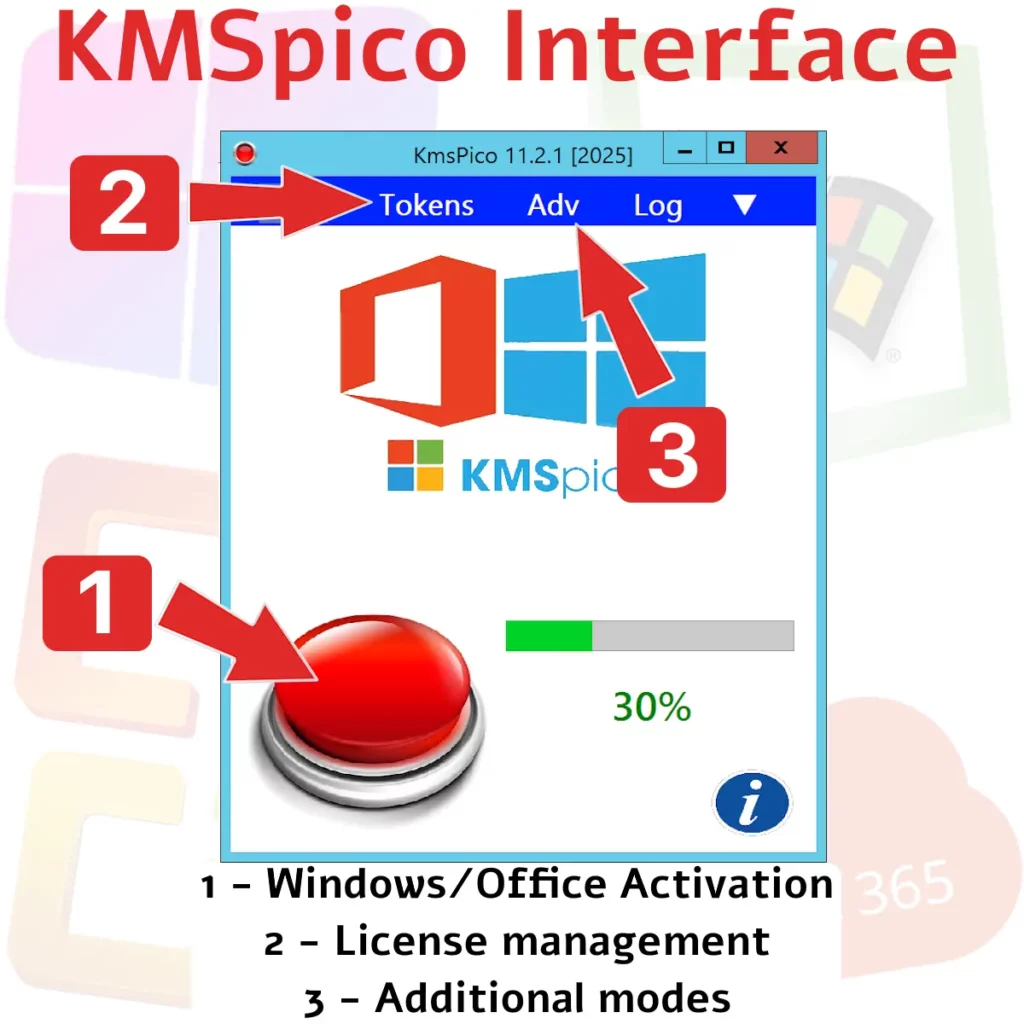
While solutions like kmspico are popular for their ease of use, they come with potential pitfalls. These tools must be used carefully to ensure they do not violate licensing agreements. Furthermore, evaluating their efficacy requires an understanding of how these tools interact with existing security protocols within an organization. Misuse can lead to breaches in security policies or inadvertent violations of licensing terms, which could have serious repercussions.
The Technical Constraints of KMS Activation
Deploying activation tools within a network involves technical constraints such as network latency and hardware limitations. For instance, using a VM with 2 vCPU and 4 GB RAM can limit performance when deploying multiple activations simultaneously. These factors necessitate careful planning to ensure efficient use of network resources. An understanding of these constraints helps in optimizing deployment strategies to ensure smooth operation without overburdening infrastructure.
Comparison
| Name | Legality | Functionality | Risks |
|---|---|---|---|
| KMS Activator | Illegal if unauthorized | Activates Windows temporarily | Potential malware risk |
| OEM Key | Legal with purchase | Permanently activates Windows | No significant risks |
| Retail Key | Legal with purchase | Permanently activates Windows | No significant risks |
| Volume License Key (VLK) | Legal for organizations | Activates multiple PCs | Misuse can lead to audits |
Activation Tool Best Practices
- Regularly update your activation tools to the latest versions to avoid compatibility issues.
- Conduct genuine checks periodically to ensure compliance with licensing agreements.
- Use native tools like the Command Prompt for tasks such as running commands like DISM (Deployment Image Servicing and Management) for troubleshooting.
- Maintain a detailed log of all activation activities to track usage patterns and detect anomalies early.
- Integrate regular training sessions for IT staff on the latest updates and best practices regarding windows activators.
Evaluating Different Activation Methods
The choice between local windows activators or cloud-based solutions often depends on organizational needs. Cloud-based solutions may offer more seamless integration into modern IT infrastructures but may require reliable internet connections and additional operational costs. Each method has its merits; therefore, understanding these options allows organizations to tailor their approach based on specific operational requirements and resource availability. Navigating Windows activation challenges is easier with tools like the windows activator found on kmspico.lc.
The Efficiency of Local vs. Cloud-Based Activation
Local solutions provide autonomy and can be operated offline, although they require periodic updates. Conversely, cloud-based mechanisms offer automatic updates but increase dependency on stable internet services, which might not be feasible under certain lab constraints where network isolation is required. Balancing these aspects involves assessing both current capabilities and future expansion goals to ensure sustainable operations.
Simplifying Product Activation Processes
- Create standardized procedures for activating both windows and office products across the organization.
- Ensure thorough documentation of licenses and activation status to streamline audits.
- Leverage automation scripts to reduce human error during mass installations or upgrades.
- Develop a comprehensive feedback system involving end-users for continuous improvement of activation processes.
- Implement cross-functional teams to oversee different phases of software deployment, including activation.
The Importance of Compliance and Genuine Checks
Maintaining compliance through genuine checks safeguards organizations against inadvertent violations of license agreements. Regular audits using an office activator can confirm that all installations remain legitimate, reducing potential legal or financial repercussions from unauthorized software use. These checks also serve as preventive measures against internal misuse or external threats targeting software vulnerabilities inherent in unlicensed copies.
Navigating Licensing Agreements with Windows Activator
Navigating Microsoft’s licensing agreements requires thorough understanding and strategic implementation of activation strategies. With options ranging from various windows activators to enterprise licenses, adapting approaches to fit organizational goals is paramount for success. Proactive engagement with licensing policies ensures alignment with industry standards while facilitating smooth transitions during software upgrades or migrations.
Leveraging Automation in License Key Distribution
- Use automated systems for distributing license keys across your organization efficiently.
- Track usage statistics to optimize resource allocation based on actual necessity rather than perceived need.
- Implement strict access control policies around license key management to prevent misuse or unauthorized distribution.
- Create a central repository accessible only by authorized personnel for secure storage of license keys.
- Regularly review access logs and conduct audits on license key usage patterns to prevent anomalies related to unauthorized access or distribution.
The Future Outlook: Navigating New Frontiers with Windows Activator
The landscape of IT environments constantly evolves; therefore, staying informed about developments in OS licensing technologies remains imperative for effective management going forward. Through careful consideration of available options like windows activators or ms word activator, businesses can adequately meet their operational requirements while safeguarding intellectual property rights effectively. Staying proactive in technology adoption ensures that organizations are well-equipped to handle future challenges related to software deployment and management seamlessly.
A comprehensive approach involving both strategic planning and technical acumen is essential to navigate the complexities associated with windows activators today. By leveraging appropriate tools while adhering strictly to legal guidelines, businesses can enjoy smooth operations without compromising on compliance or efficiency.
This ongoing adaptability will allow enterprises not only to keep pace with technological advancements but also capitalize on new opportunities presented by evolving digital landscapes. Organizations must remain vigilant about emerging trends in software licensing as well as innovative methodologies for implementing them effectively through advanced windows activators that continue setting benchmarks within industry standards globally.